

01 / Applications
Defence Industry, Weapons & Equipment
Combat vehicle operation and diagnostics
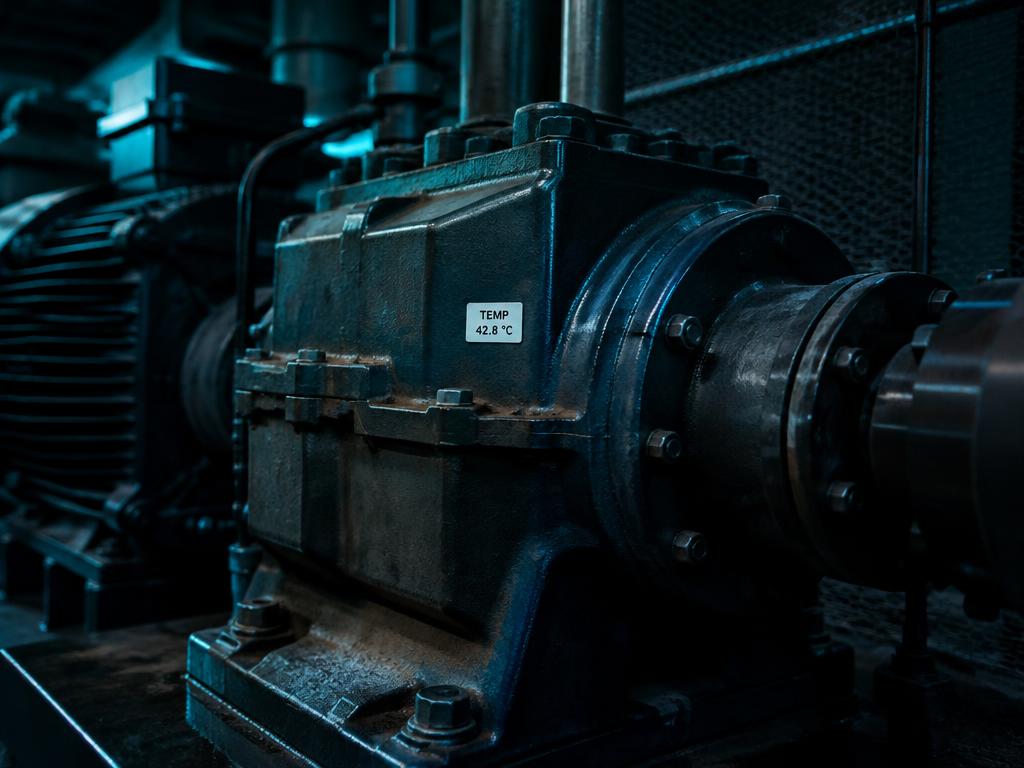
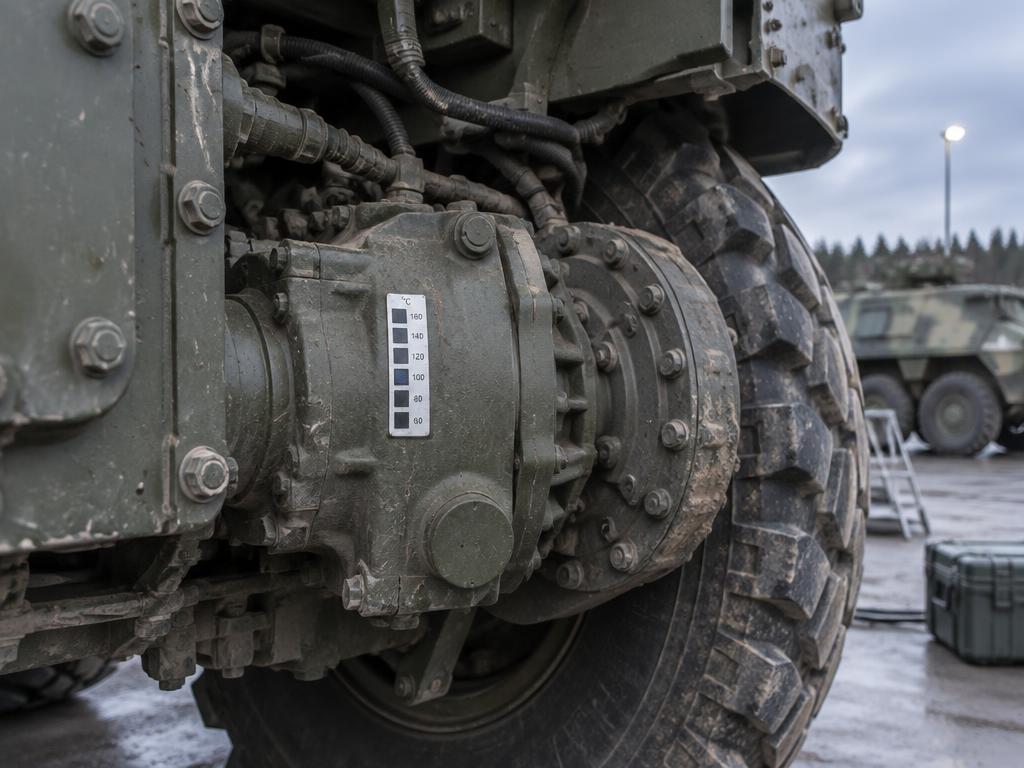
Indicators applied to wheel bearing housings, final drives, drive axles, main transmissions and gearboxes on tanks and armoured vehicles (e.g. KTO Rosomak, AHS Krab, BWP Borsuk, K2 and M1A2 Abrams tanks). A sudden temperature rise signals a lubrication fault or component wear before the equipment becomes immobilised in the field. Additional applications include monitoring brake discs and callipers, and checking the surfaces of engine blocks, turbochargers, power packs and exhaust systems for hot spots.
Weapons, ammunition and missiles
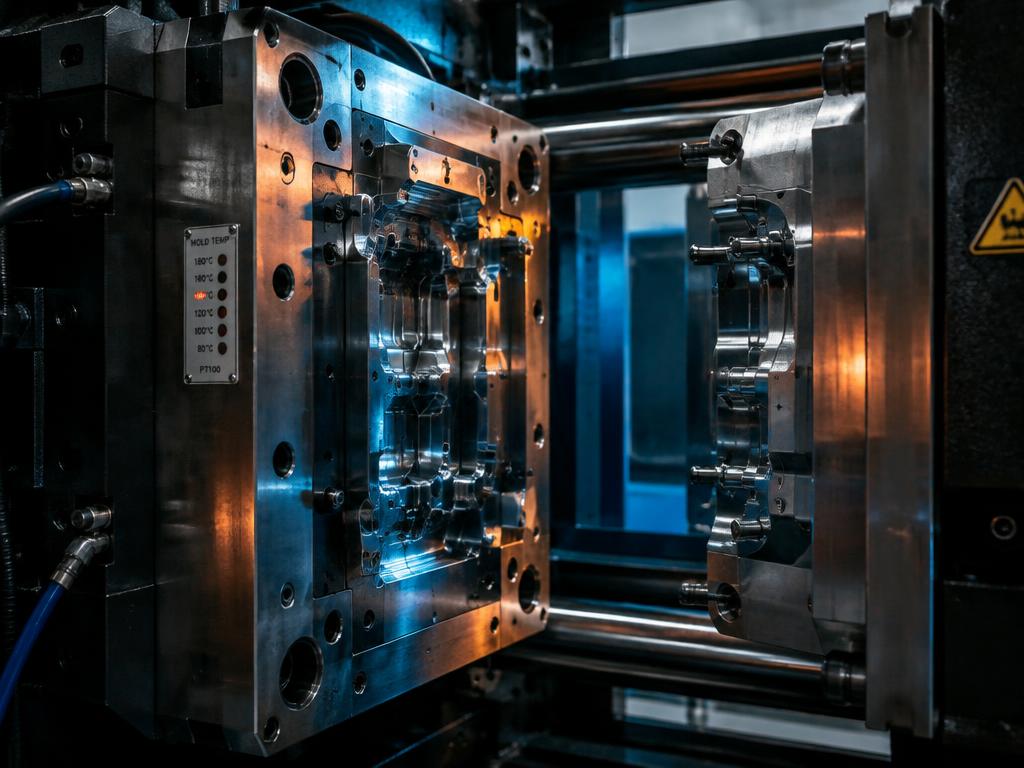
Monitoring heat build-up in artillery and small-arms barrels during intensive firing helps prevent ammunition cook-off in the chamber, as well as excessive barrel wear and deformation. Strips on ammunition boxes and guided missile containers confirm that critical temperatures for explosive stability and sensitive guidance electronics have not been exceeded.
Military aviation, helicopters and unmanned aerial vehicles (UAV)
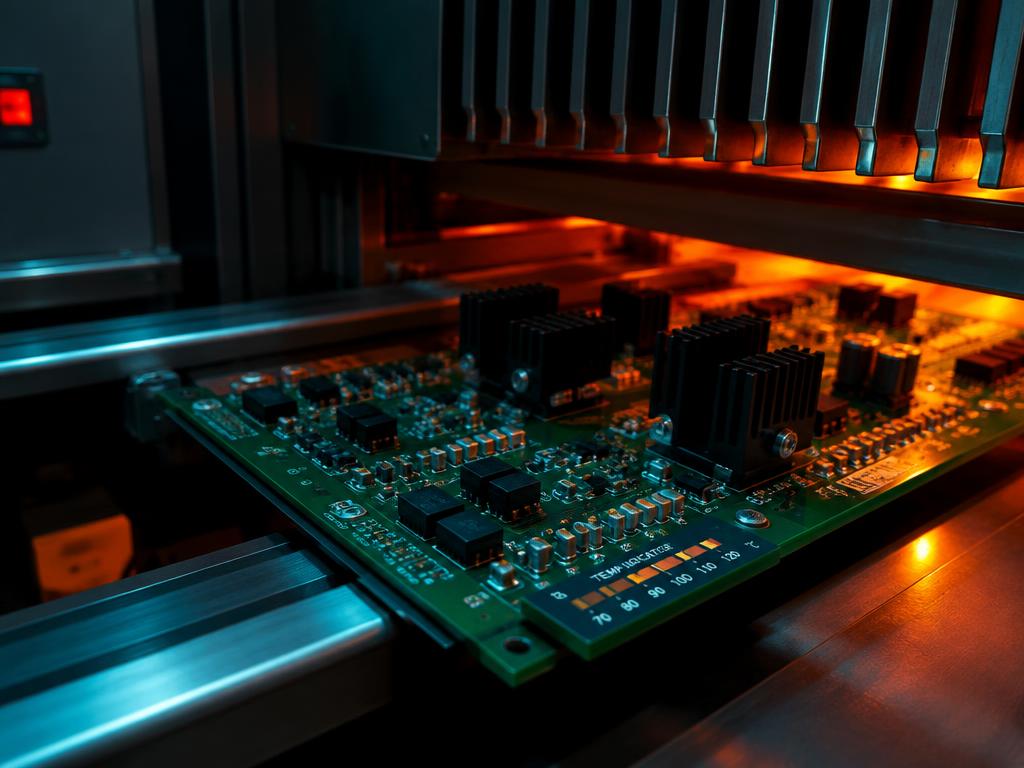
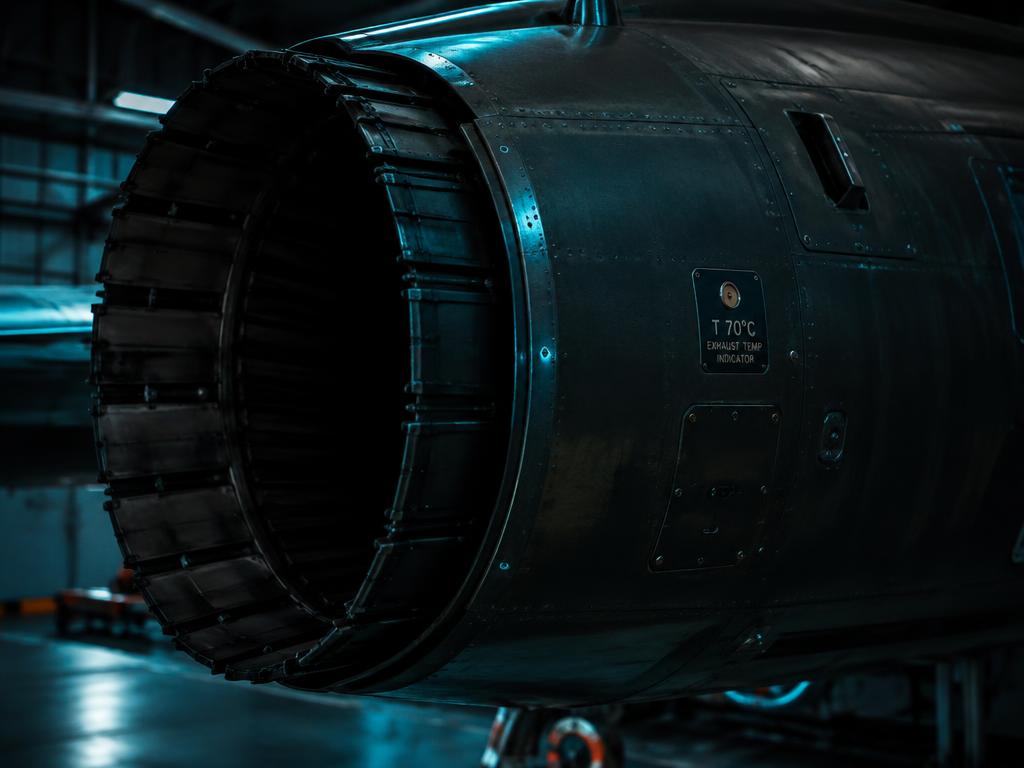
Monitoring helicopter gearboxes, jet engine components and avionics compartments. Indicators show whether an electronic module has operated above the temperature permitted by the manufacturer's specification (MIL-STD-810H). In reconnaissance and strike platforms (UAV, UGV, USV), they monitor electronic speed controllers (ESC), brushless motors and Li-Ion/LiPo battery packs operating under heavy loads and at high ambient temperatures.
Radar, communications and optoelectronics
Monitoring passive and active cooling in military radios, radar modules (including AESA antennas), electro-optical sensor heads and thermal imagers. Applications also include monitoring heat build-up in lithium battery packs used in soldiers' portable equipment and electronic warfare systems.
Standards compliance and environmental resistance
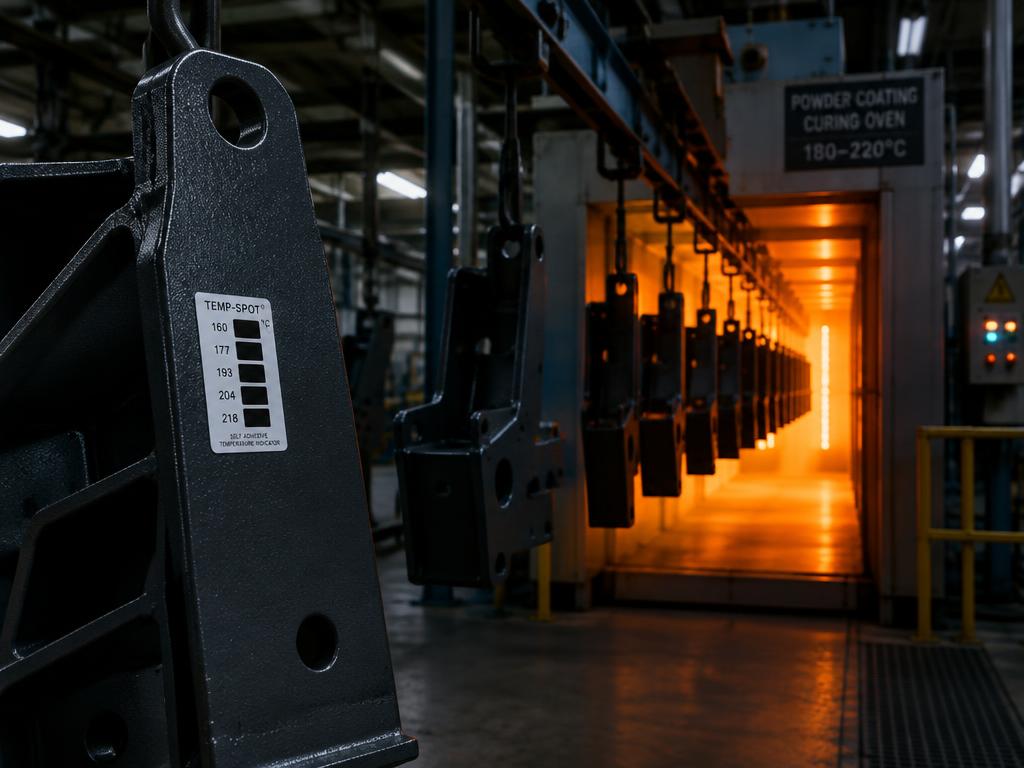
Military applications use versions compliant with NATO / STANAG requirements, the MIL-STD-810H environmental standard and the ISO 9001 quality management system. Versions resistant to gear oils, hydraulic fluids, aviation fuel (NATO F-34 / JP-8), water and UV radiation are available. Thermax strips are available in multi-level versions (including 5-, 8- and 10-level strips), covering a range from 25 °C to 300 °C.
Zero signature — tactical security
The indicators operate entirely passively: they have no batteries and emit no radio-frequency radiation or additional heat, so they do not increase equipment detectability by signals intelligence (SIGINT) systems or thermal imaging. They are also unaffected by electromagnetic pulse (EMP), and a technician or soldier can read them at a glance during an inspection.