


ShockWatch 2 in practice — case studies
An impact indicator is more than just a label. We have compiled examples from materials published by the manufacturer, SpotSee: distribution, automotive, medical equipment and electronics. All figures are provided with source attribution.
Distribution and industry: losses from 300 000 to 86 000 USD (−65%)
HJC (Haines, Jones & Cadbury) supplies plumbing fixtures, heating components and building materials to chains including Walmart and Burger King. With no fleet of its own and shipping routes of 500–2000 miles, the company marked every pallet with a ShockWatch indicator and warning tape. Source: SpotSee case study.
- annual shipping losses fell from 300 000 to 86 000 USD
- approximately 65% less damage with the same carriers
- a label on every pallet acts as a deterrent to mishandling by warehouse staff and drivers
- an activated indicator provides evidence for a claim with the freight forwarder
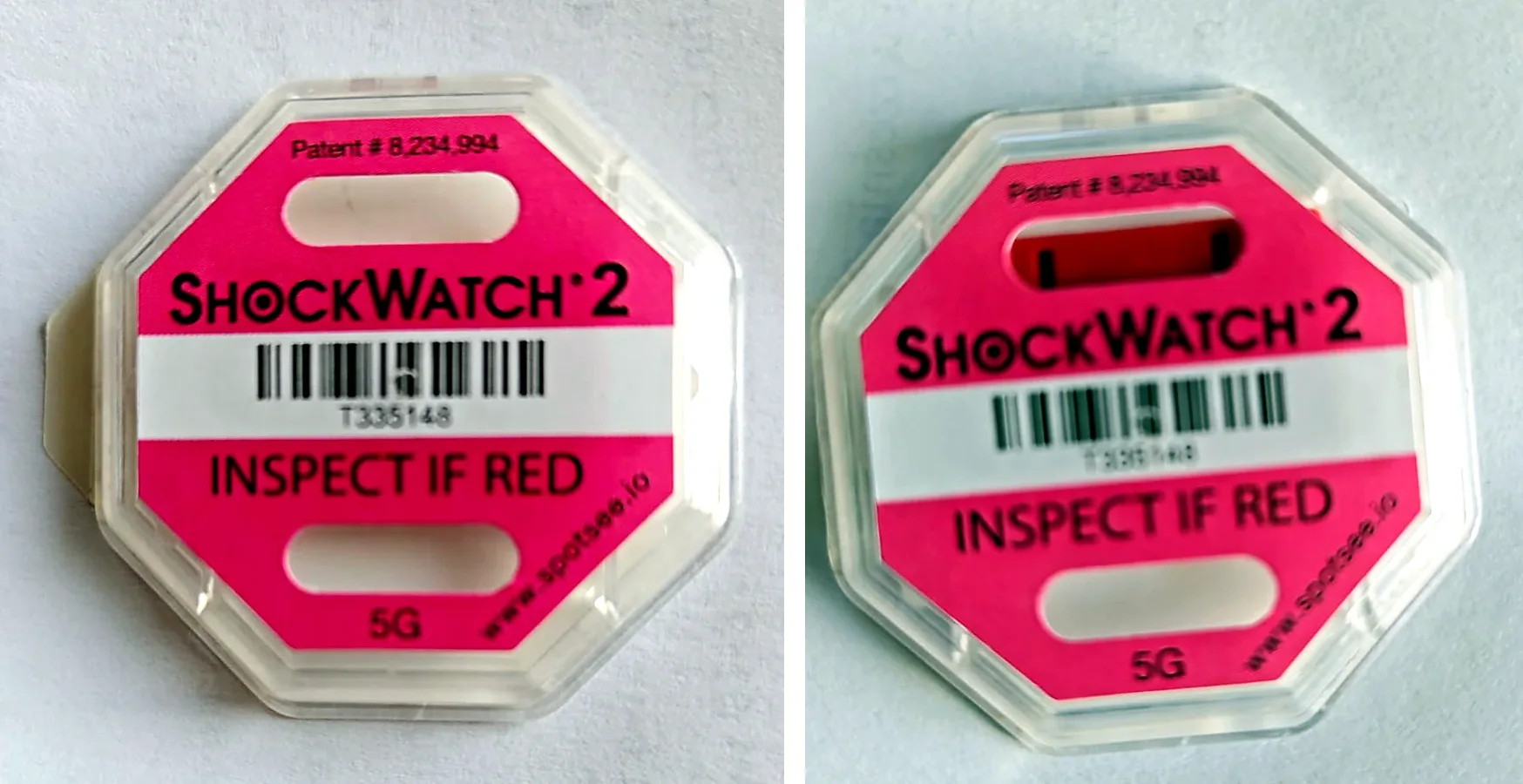
Automotive: engines, headlights, radiators
When shipping components between factories and warehouses, the greatest risk is internal damage that is not visible on receipt. An indicator on the crate allows components subjected to an impact to be set aside immediately for inspection, without checking every part. Source: SpotSee case study (automotive).
- engines and transmissions in shipping crates
- headlights, instrument clusters, vehicle glass
- brazed aluminium radiators
- quick sorting at goods receipt

Medical equipment and electronics: hidden damage
Defibrillators, infusion pumps, monitors and CT scanners often look intact after an impact, while PCB solder joints may crack or sensors may lose calibration inside. The fault only becomes apparent at the customer's site, resulting in a warranty claim. Sources: SpotSee publications (medical devices, electronics).
- a medical shipment undergoes an average of 7 transfers
- a drop from a low height can generate as much as 1000 G
- 85% of users drop their phone at least once a year (Corning study)
- the indicator shows which device needs to be checked before use
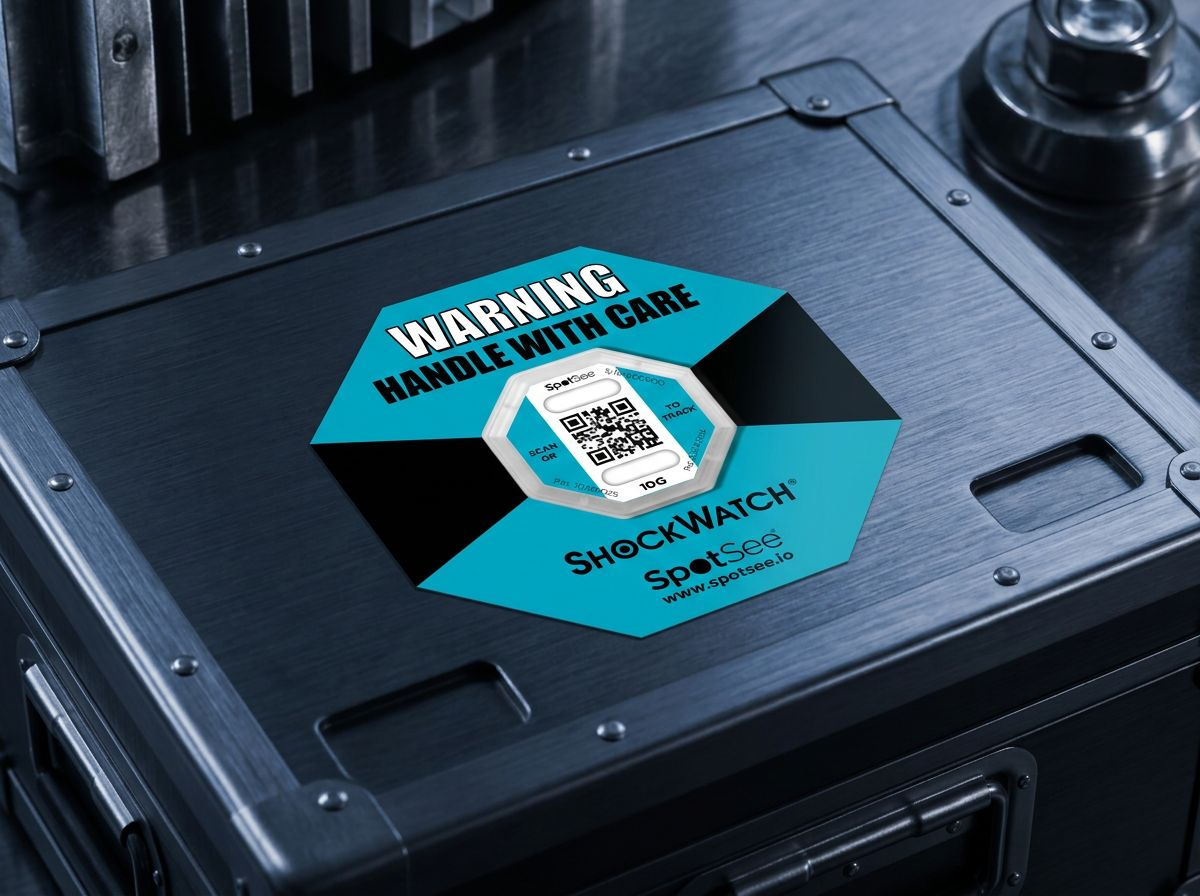
A step-by-step shipment protection programme
SpotSee emphasises that a programme, rather than the label alone, delivers the best results. For example, a manufacturer of coffee machines for coffee shop chains sent customers a letter asking them to report activated indicators and handled carrier claims itself — earning considerable customer goodwill.
- 1. Select the G sensitivity based on shipment weight (ShockWatch calculator)
- 2. Add a note about the indicator to the waybill
- 3. Give the recipient instructions on what to do if the window is red
- 4. Run a blind test with 5+5 packages to assess the carrier
Recommended products
Frequently asked questions
How much can ShockWatch reduce shipping damage?
In a SpotSee case study, HJC (plumbing fixtures and building materials) reduced its annual shipping losses from 300 000 to 86 000 USD, or approximately 65%. The manufacturer states a typical damage reduction of 40–60%.
Why does an impact indicator reduce damage?
It works in three ways: the visible label encourages staff to handle shipments carefully, an activated indicator provides evidence for a carrier claim, and the collected reports show where damage occurs in the supply chain.
Is ShockWatch 2 suitable for electronics and medical equipment?
Yes. An impact can damage solder joints on PCBs or cause sensors to lose calibration, even if the housing looks intact. A medical shipment undergoes an average of 7 transfers, and a drop from a low height can generate as much as 1000 G.
How can I check whether a carrier is mishandling shipments?
Run a blind test: send 5 packages with an indicator hidden inside and 5 with an indicator on the outside to the same recipient. Comparing the results shows whether the problem occurs during shipping and whether the visible label alone improves cargo handling.
Which ShockWatch 2 sensitivity should I choose?
Sensitivity (from 5G to 75G) depends mainly on shipment weight — the heavier the load, the lower the G threshold. The easiest way to select it is with the ShockWatch calculator on the LC KOLOR website.
Ask about implementing ShockWatch 2
We will advise you on selecting sensitivity ranges and prepare a quotation.